Resource management stories

Stronger planning rules are still needed to stop homes being built on land prone to landslides and coastal erosion after Cyclone Gabrielle.
Three-quarters of Aotearoa’s land is adding too much E. coli to waterways, with farms facing the biggest cuts to meet national targets.
New Zealand’s infrastructure sector is urging the incoming Government to speed up investment, reform planning and tap private capital.
In civil construction, the concept hinges on system boundaries, with finite resources, waste and carbon shaping whether projects can endure.
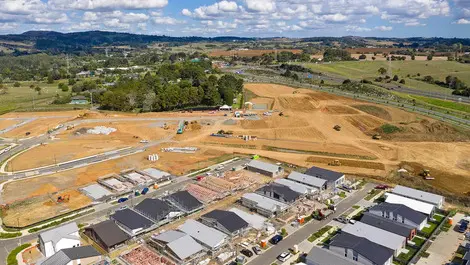
Real-world subdivision design projects are giving civil engineering students hands-on experience tackling housing and water shortages across New Zealand.
Critics say the reform could lift housing and infrastructure costs by stripping councils of planning powers and deepening court battles.
Poor water management could worsen shortages unless New Zealand uses IoT sensors and data to track use and cut waste, Alison Mackie says.
Councils could lose influence over local planning as new regional committees shift decisions further from communities and raise funding concerns.
For coastal New Zealand, the lesson is that resilience will hinge on working with nature, not relying on engineering alone.
Experts warn rebuilding in flood-hit areas could lock communities into repeated damage, forcing a national rethink on who pays to move.
Uncertainty over tax and housing policy could briefly slow residential sales, though commercial activity is likely to stay driven by rates and inflation.
New Zealand growers could face higher food costs and poorer water security if reform leaves storage projects harder to finance, IrrigationNZ says.
A $210 billion infrastructure shortfall is sharpening pressure to cut the premium on New Zealand's biggest transport projects.
Policy change, fuel resilience and green power projects are set to dominate infrastructure again as reform timelines tighten in 2023.
An Auckland build has diverted 91% of debris from landfill, showing builders can cut waste sharply with sorting and recycling.
Critics say the overhaul could add bureaucracy and legal uncertainty, raising doubts it will ease New Zealand’s housing crisis.
A parliamentary report says spending over GBP £2 billion a year on the environment is poorly linked to outcomes and lacks transparency.
Councils face tighter limits on rezoning fertile farmland for housing, as ministers say it is needed to safeguard New Zealand’s food supply.
Industry says the response is only a first step, as ministers face pressure to turn a 30-year plan into concrete infrastructure action.
Knud Lasse Lueth, CEO at IoT Analytics, says industrial IoT gateways are critical for connecting legacy systems with modern technology.