

Drones, thermal imaging and LiDAR: The technology reshaping building inspections in New Zealand
Thu, 1st Oct 2026 (Today)
For decades, a building inspection meant a qualified inspector, a torch, a ladder and a moisture meter. Those tools still matter, but inspections in New Zealand are being reshaped by technology borrowed from aerospace, surveying and computer vision. Drones, infrared cameras, laser scanners and AI-assisted software are giving inspectors more data to work with and giving buyers a clearer picture of what they're purchasing.
Thermal imaging and hidden moisture
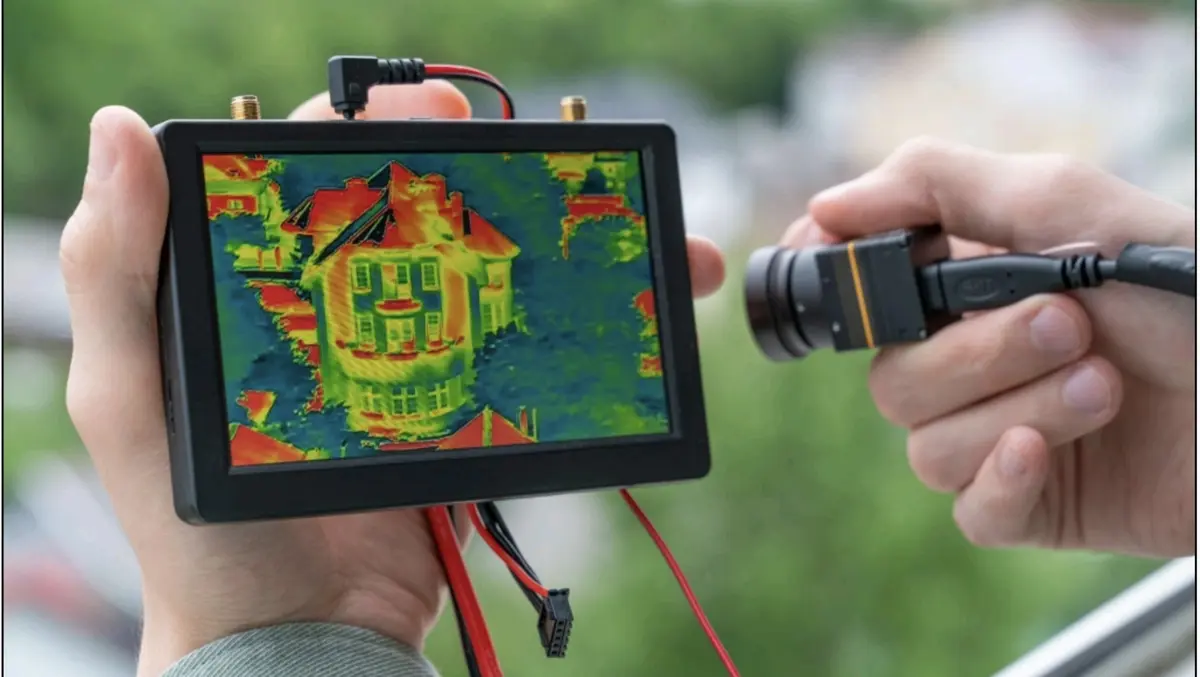
Thermal imaging cameras detect infrared radiation and display surface temperature differences as a colour map. During an inspection, those differences can point to problems invisible to the naked eye, including damp framing behind wall linings, gaps in ceiling insulation and air leaks around windows and doors.
Moisture is the main concern in New Zealand, where the leaky homes era left many houses with water damage concealed inside wall cavities. Older, colder housing is also prone to damp and heat loss, so thermal scans are becoming a valuable part of building inspections Dunedin buyers arrange on villas and character homes. The same scan can help owners prioritise insulation upgrades, particularly for rental properties that must meet the Healthy Homes Standards.
There is one important caveat. A thermal camera measures surface temperature, so a cool patch on a wall could be damp timber or simply a draught. Experienced inspectors use thermography to decide where to look, then confirm their findings with a moisture meter.
Measuring structural movement in seismic regions
Since the Canterbury and Kaikōura earthquakes, structural resilience has moved up many buyers' checklists. Rotating laser levels and digital floor-level surveys can now map an entire floor in minutes, producing a contour plot that shows subsidence or unevenness far more clearly than a handful of spot readings taken with a spirit level.
This is especially relevant close to active faults. The Wellington Fault runs along the western edge of the Hutt Valley, and much of the valley floor sits on softer alluvial ground. Anyone booking a building inspection in Lower Hutt should ask whether floor levels and foundation condition will be recorded in a format a structural engineer can review if concerns come up.
Crack monitoring has also gone digital. Sensors fixed across existing cracks can log movement over weeks or months, helping to distinguish historic settlement from ongoing movement that needs attention.
Drones for roofs and exterior cladding
Roofs are among the hardest parts of a house to assess safely. Drones fitted with high-resolution cameras let inspectors examine roofing, flashings, gutters, chimneys and upper-storey cladding without ladders or roof access. This is particularly useful on steep pitches, fragile roofing materials and multi-storey buildings where walking the roof is unsafe or impossible.
Drone footage can be zoomed, paused and shared, so a buyer can see a corroded fixing or cracked ridge capping for themselves. Some models also carry thermal sensors, combining aerial access with infrared scanning of roof surfaces and upper walls.
Drone operators in New Zealand must follow Civil Aviation Authority rules under Part 101, with Part 102 certification required for operations outside those limits. The rules cover flying over people and property and operating near controlled airspace, so a professional inspector using drones should be able to explain how they comply.
3D scanning and digital twins
LiDAR and photogrammetry allow inspectors to build accurate three-dimensional models of a property. Dedicated scanning cameras can capture a complete walkthrough model, while the LiDAR sensors now built into some smartphones and tablets can generate measured floor plans on site.
For buyers, a 3D model becomes a lasting reference. It can support renovation planning, confirm room dimensions or show a builder exactly where an issue sits without another site visit. On larger commercial and multi-unit buildings, these scans can form the basis of a digital twin: a model that is updated throughout the building's life to support maintenance planning and future inspections.
AI-assisted analysis and digital reporting
Machine learning models trained on large image datasets can now flag potential defects such as cracks, corrosion and deteriorating sealant in drone and camera footage. These systems are most useful for speeding up the review of hundreds of images, with the inspector still making the final assessment.
Reports themselves have changed as well. Many inspectors now deliver interactive digital reports with annotated photos, embedded video, thermal images shown alongside standard photographs and summaries that rank issues by urgency. That format makes it easier for buyers to understand findings and share them with lenders, builders or insurers.
Regulators are moving in a similar direction. The Ministry of Business, Innovation and Employment has published guidance for building consent authorities on remote inspections, allowing some consent inspections to be completed using live video and photographic evidence.
What this means for property buyers
Better tools produce better data, but the value of an inspection still depends on the qualifications and judgement of the person interpreting it. The New Zealand Standard for residential property inspections, NZS 4306:2005, remains the benchmark for what a pre-purchase inspection should cover, regardless of the equipment used.
When comparing inspectors, it's worth asking a few practical questions. Does the inspection include thermal imaging, and will suspect areas be confirmed with a moisture meter? How will the roof be assessed if it can't be walked safely? Will the report include photos, video or floor-level data you can share with an engineer or builder?
The answers will tell you a lot about how thorough the inspection is likely to be. As the technology becomes more affordable, buyers can reasonably expect more detail, more evidence and fewer surprises after settlement.